← Song libraryNArtistNathaniel Bassey
3 songs in this catalogue · 3 reviewed
Average rating of reviewed songsBased on 3 rated songs
This catalogue covers songs selected by our administrators. Its ratings summarise AI assessments of those songs, not an assessment of the artist’s beliefs or entire body of work. Read how the ratings work.
Themes in the reviewed songs
Based on 3 reviewed songs with saved themes.
Mercy2 of 3 songs
Grace and forgiveness2 of 3 songs
Adoption and identity1 of 3 songs
Biblical story and remembrance1 of 3 songs
Cross and atonement1 of 3 songs
Faithfulness1 of 3 songs
Goodness1 of 3 songs
Love1 of 3 songs
What the reviews found
Findings from 3 completed song reviews. Each point links to its underlying assessment.
Strengths 9
Show 6 more strengths
- I Remember
It joins honest testimony in suffering with confidence that God hears, delivers, and remains worthy of praise.
Assessment 1 ↗Assessment 2 ↗Assessment 3 ↗Assessment 4 ↗ - I Remember
It clearly attributes salvation to God’s mercy and grace through Christ, including deliverance, redemption, and forgiveness.
Assessment 1 ↗Assessment 2 ↗Assessment 3 ↗Assessment 4 ↗Assessment 5 ↗ - I Remember
It turns remembered deliverance into continual praise, lifted hands, proclamation, and witness.
Assessment 1 ↗Assessment 2 ↗Assessment 3 ↗ - Ese - Live
Its repeated thanksgiving fits the biblical call to rejoice, pray, sing, and praise God for his goodness and mercy.
Assessment 1 ↗Assessment 2 ↗ - Ese - Live
The personal testimony appropriately attributes salvation, identity, and faithful labor to God’s gracious action and life-giving love.
Assessment 1 ↗Assessment 2 ↗ - Ese - Live
Its gratitude for Christ’s once-for-all, self-giving sacrifice rightly connects the cross with love, reconciliation, and perfected believers.
View supporting assessment ↗
Points to examine 3
- This God Is Too Good (feat. Micah Stampley)
The song speaks of God’s continual thoughts about an individual morning, noon, and night, but the reviewed passages establish God’s mercy and grace without establishing that specific claim.
View supporting assessment ↗ - This God Is Too Good (feat. Micah Stampley)
Images such as being made a “shining star” or “shining light” may suggest personal exaltation and should be understood as God’s glory revealed through a transformed life. Applying the “brand-new name” promise individually requires qualification because the reviewed passage addresses Zion, and calling God “sweeter than honey” uses imagery directly applied to God’s Word in the reviewed passage.
Assessment 1 ↗Assessment 2 ↗Assessment 3 ↗ - Ese - Live
“Without a price” may imply that redemption cost nothing, though the song should honor Christ’s costly blood and shame-bearing cross. “The blood you sent” is ambiguous about the divine person: Scripture identifies the redeeming blood as Christ’s, while the Father sends the Son; “shine” also remains imprecise.
Assessment 1 ↗Assessment 2 ↗
Explore the song reviews
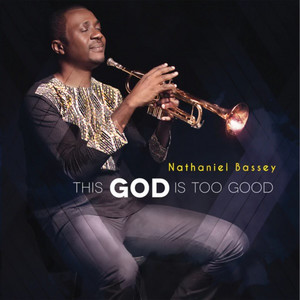 This God Is Too Good (feat. Micah Stampley)20166.4/10
GoodnessAtonementChristologySanctificationSin & the FallEschatology
The song is a grateful testimony to God’s mercy, redemption, transforming love, and enduring goodness, expressed through lifelong worship. Some personal images need careful qualification so they do not imply individual exaltation or promises Scripture assigns more specifically to Zion or God’s Word.
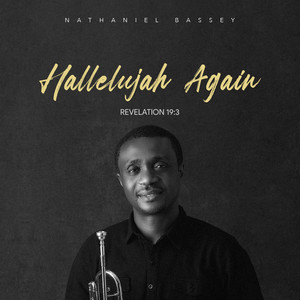 I Remember20219.7/10
Biblical story and remembranceProvidenceChristologyAtonementJustificationPneumatologyRevelation & Scripture
The song is a testimony of remembering God’s enduring mercy, crying to him in distress, receiving salvation through Christ, and responding with continual praise and witness.
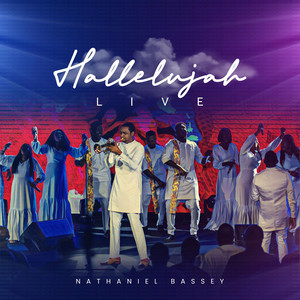 Ese - Live20237.6/10
Cross and atonementAtonementJustificationSanctificationChristologyProvidence
The song is a grateful testimony of salvation, dependence, and praise centered on God’s gracious work through Christ. Its redemption language should clearly distinguish Christ’s costly blood from any suggestion that redemption had no price or that the Father literally sent blood.